Introduction
How to Protect Pets During UAE Sandstorms: Respiratory Care Guide
Desert sandstorms present severe health risks to domestic animals living across the United Arab Emirates. When heavy winds kick up fine dust particles, coarse silica, and environmental allergens, ambient air quality drops instantly. Breathing this dust-laden air exposes household pets to acute respiratory distress and systemic irritation. Pet parents living in regions like Dubai, Abu Dhabi, or Sharjah must adopt proactive preventative care. Understanding ambient risks allows owners to shield vulnerable animals before severe symptoms develop.
Understanding the Impact of Desert Sandstorms on Household Pets
The atmospheric dust during Middle Eastern sandstorms consists of airborne mineral fragments, pollutants, and particulate matter. When pets inhale these microscopic solids, the mechanical particles lodge deep within their respiratory tracts. Unlike humans, dogs and cats lack advanced protective barriers in their upper nasal passages to filter fine dust completely. Continuous exposure leads to airway inflammation, mucosal dryness, and tissue swelling.
Small breeds, brachycephalic animals, elderly pets, and animals with pre-existing pulmonary diseases face high risks. Dogs with shortened nasal passages struggle significantly to cool and filter dusty air. Cats exposed to fine sand particles often develop sudden asthmatic reactions or chronic bronchial congestion. Recognizing environmental risks is the first step toward effective respiratory protection.
Recognizing Early Respiratory Distress Symptoms in Dogs and Cats
Early identification of respiratory problems saves animal lives during severe weather events. Pet owners must monitor their animals closely whenever atmospheric visibility drops outside. Initial signs of inhalation distress appear subtle before escalating into dangerous medical emergencies. Early symptoms include frequent sneezing, water discharge from eyes, and dry persistent coughing.
As dust irritation progresses deep into the lungs, pets demonstrate clear behavioral changes. Look for rapid shallow breathing, wide-mouthed panting, flare-nosed breathing, or excessive lethargy. Cats experiencing severe respiratory failure often refuse food and sit with hunched postures. If your pet displays pale or bluish gums, seek immediate emergency veterinary assistance.

Securing Your Indoor Home Environment During Severe Dust Events
Creating a sealed indoor sanctuary remains the single most effective barrier against fine dust. Before the arrival of a forecasted weather alert, ensure all exterior doors and windows close tightly. Use weather-stripping or damp towels along base thresholds to seal wide floor gaps. Drafty doors allow microscopic sand grains to collect on carpets and soft furniture.
Air conditioning systems require diligent maintenance inside UAE residences. Run high-efficiency particulate air filters continually during storm cycles to clear recirculated indoor air. Replace standard AC filter pads regularly, especially during peak shamal weather seasons. Avoid using open ceiling fans, as circulating air prevents airborne dust from settling out of pet reach.
Adjusting Daily Exercise Schedules and Outdoor Bathroom Routines
Maintaining routine exercise habits during severe sandstorms exposes pets to dangerous air quality levels. Cancel all standard outdoor park walks, agility sessions, and lengthier backyard play times. Brief outdoor trips should occur strictly for necessary bathroom breaks. Keep dogs strictly on short leashes to prevent them from running, sniffing, or digging in fresh dust piles.
Construct engaging indoor mental exercises to replace physical outdoor activities. Use interactive puzzle feeders, hide-and-seek games, or basic obedience training inside air-conditioned rooms. Indoor stimulation burns excess physical energy without accelerating respiration rates in dusty air. Keep outdoor cats strictly inside until environmental authority advisories clear completely.
Hydration and Air Moisture Management Strategies for Pet Health
Dry ambient air exacerbates internal respiratory irritation caused by airborne dust particles. Maintaining high hydration levels helps moisten internal mucous membranes, allowing pets to flush out trapped dust naturally. Keep multiple clean water bowls placed throughout your living areas. Refresh water frequently to remove fine surface dust settled from room air.
Consider deploying cool-mist humidifiers inside rooms where your pets spend most of their time. Controlled indoor humidity keeps upper respiratory airways supple and reduces inflammation. Adding small drops of veterinary-approved saline spray directly to dry nasal tissues offers additional relief. Always consult your veterinarian before administering any nasal wash or topical products.
Specialized Care Considerations for High-Risk and Senior Pets
Flat-faced breeds such as Bulldogs, Pugs, Persian cats, and French Bulldogs demand constant monitoring. Their compromised anatomical airway passages swell rapidly when exposed to low air quality. Keep high-risk breeds inside climate-controlled rooms throughout the duration of dust advisories. Restrict all physical exertion, as heavy panting forces dust deeper into bronchial tissue.
Pets diagnosed with feline asthma, bronchitis, or heart conditions need personalized protection plans. Ensure all prescribed maintenance medications, bronchodilators, and emergency inhalers remain fully stocked prior to dust seasons. Consult your local veterinarian to adjust preventive medicine dosages before seasonal storms peak. Never alter prescribed therapies without professional medical guidance.
Decontamination and Grooming Practices After Emergency Outdoor Trips
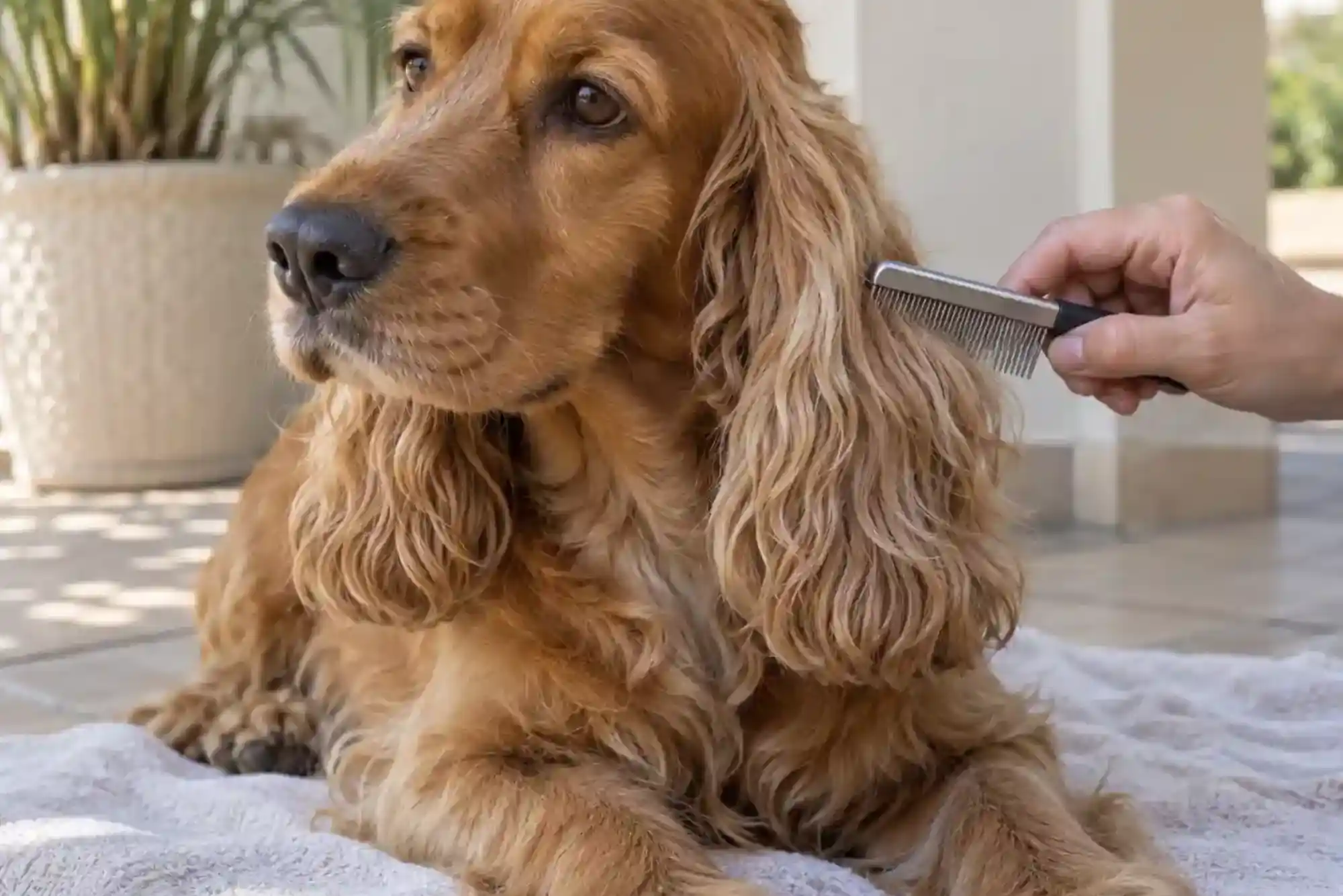
Even brief bathroom trips outdoors leave invisible dust layers on your pet’s fur, paws, and muzzle. When returning inside, implement an immediate cleaning protocol to keep ambient dust out of living areas. Wipe down your pet’s entire body using a moist microfiber cloth or gentle, unscented baby wipe. Pay close attention to face folds, paw pads, and underbelly surfaces.
Flush your pet’s eyes gently using sterile eye wash solutions if you notice redness or eye discharge. Gently clean outer ears using veterinary ear cleansers to clear collected sand grains. Avoid brushing dry fur immediately after outdoor trips, as dry brushing releases trapped dust back into your indoor air.
Emergency Medical Preparedness and Local Veterinary Resources
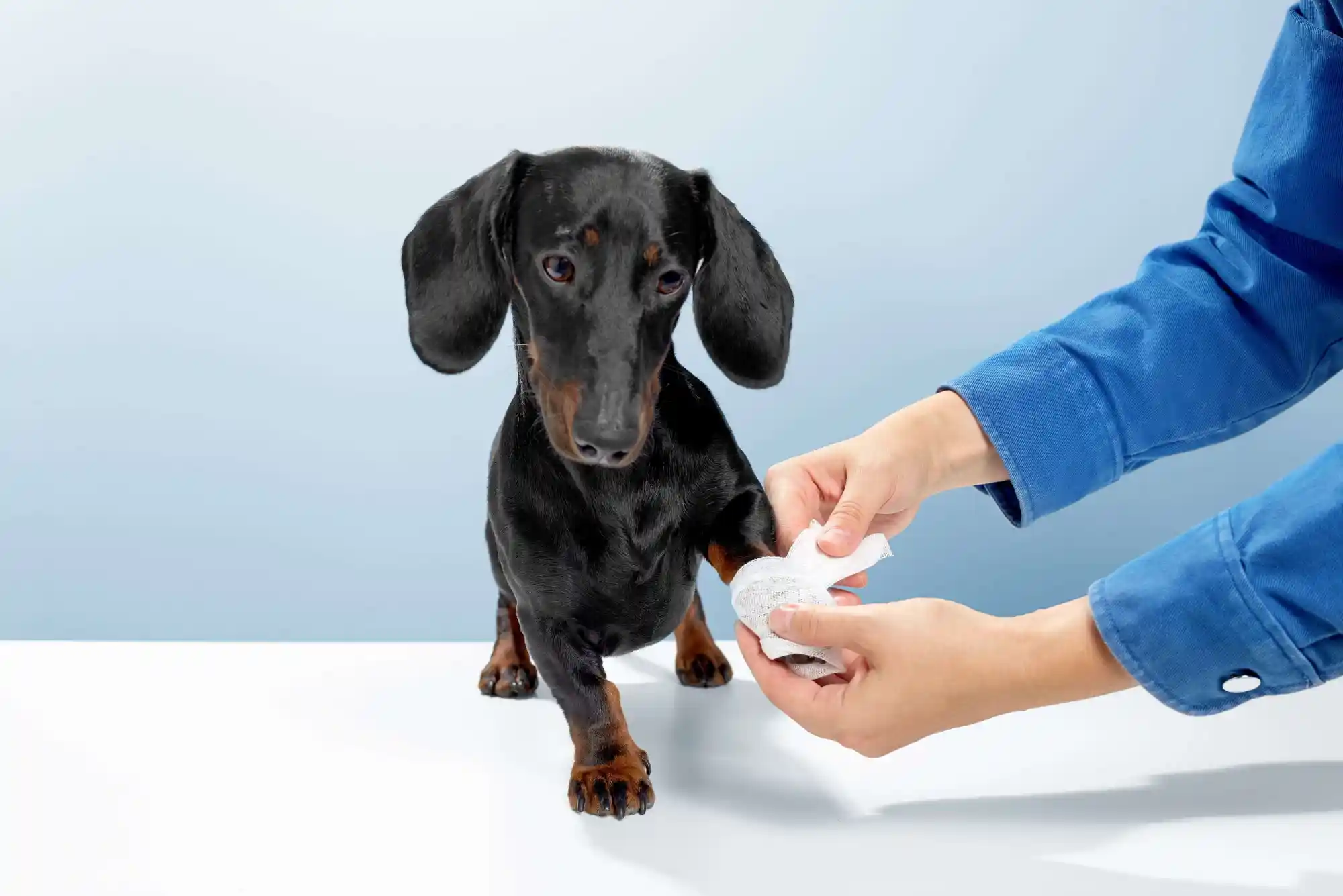
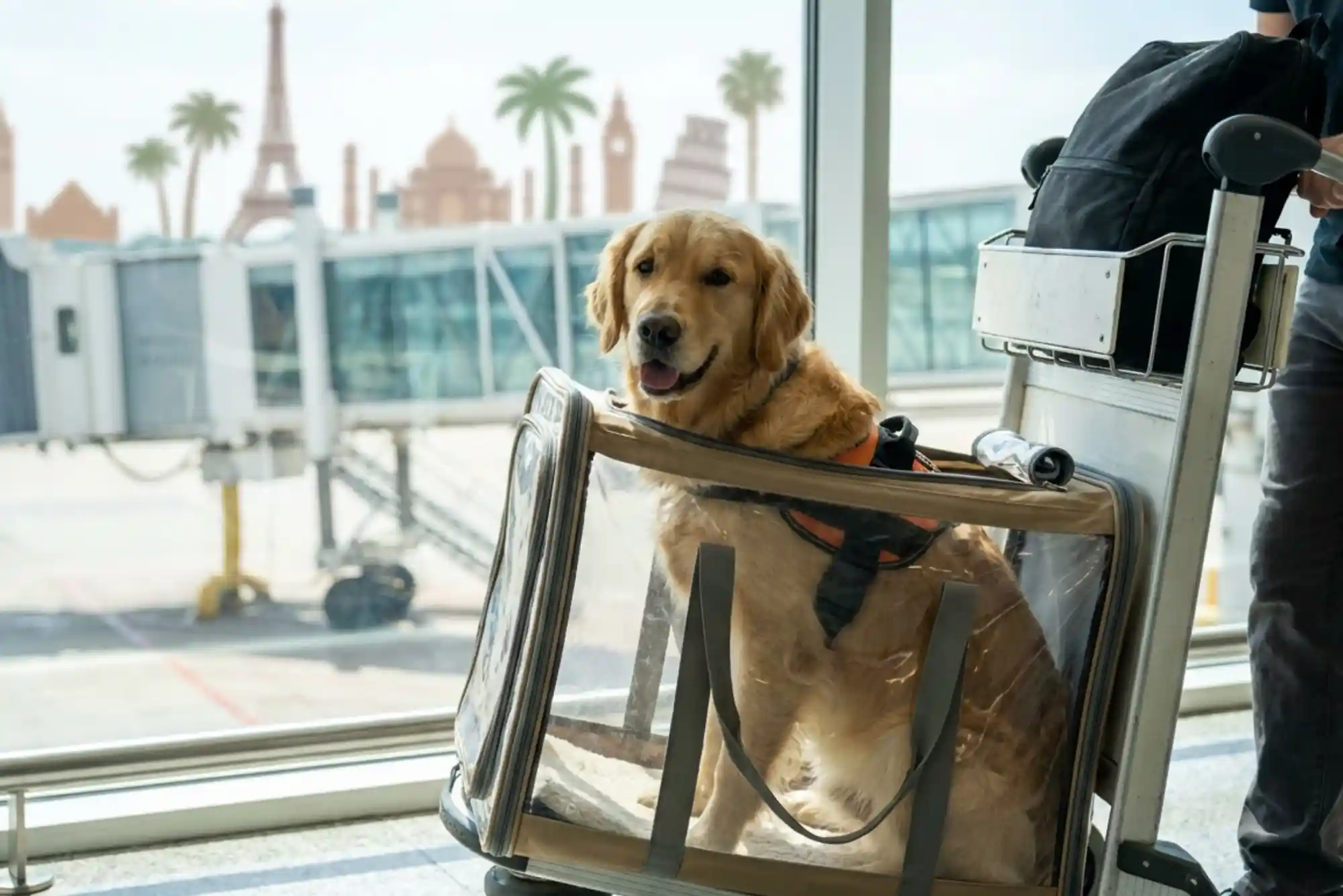
Severe dust inhalation can escalate into fatal respiratory failure without timely medical intervention. Keep contact details for local 24-hour emergency veterinary clinics visible inside your residence. Maintain an emergency pet transport kit complete with towels, medical records, a portable carrier, and prescribed medications.
Store your pet’s medical documentation digitally for rapid access during off-hours clinic visits. If your animal exhibits relentless coughing, open-mouthed breathing, or extreme distress during a storm, transport them safely using an enclosed vehicle. Ensure your car’s climate control operates on internal air recirculation mode during transit.
Frequently Asked Questions
What are the main symptoms of dust inhalation in pets?
Common symptoms of dust inhalation include dry coughing, frequent sneezing, watery eye discharge, rapid shallow breathing, lethargy, and open-mouthed panting. In severe cases, pets exhibit pale or bluish gums and refusal to eat.
Can sandstorms cause permanent lung damage in dogs and cats?
Yes, repeated or prolonged exposure to fine sand particles can cause chronic inflammation, scarring, and permanent pulmonary issues like bronchitis or asthma in susceptible animals.
How do I clean my dog’s eyes after a sandstorm walk?
Flush your dog’s eyes gently using a sterile veterinary eye wash solution or basic saline solution. Wipe away excess liquid and debris using a clean, soft cloth without touching the eyeball directly.
Should I run my home air conditioner during a UAE sandstorm?
Yes, run your air conditioner on internal recirculation mode. Ensure your AC filters are fresh and clean to effectively trap fine particulate matter without pulling dusty outside air indoors.
Is feline asthma triggered by desert dust storms?
Desert dust storms trigger acute asthma attacks in cats due to high concentrations of airborne mineral dust and microscopic pollutants that severely irritate sensitive feline airways.