
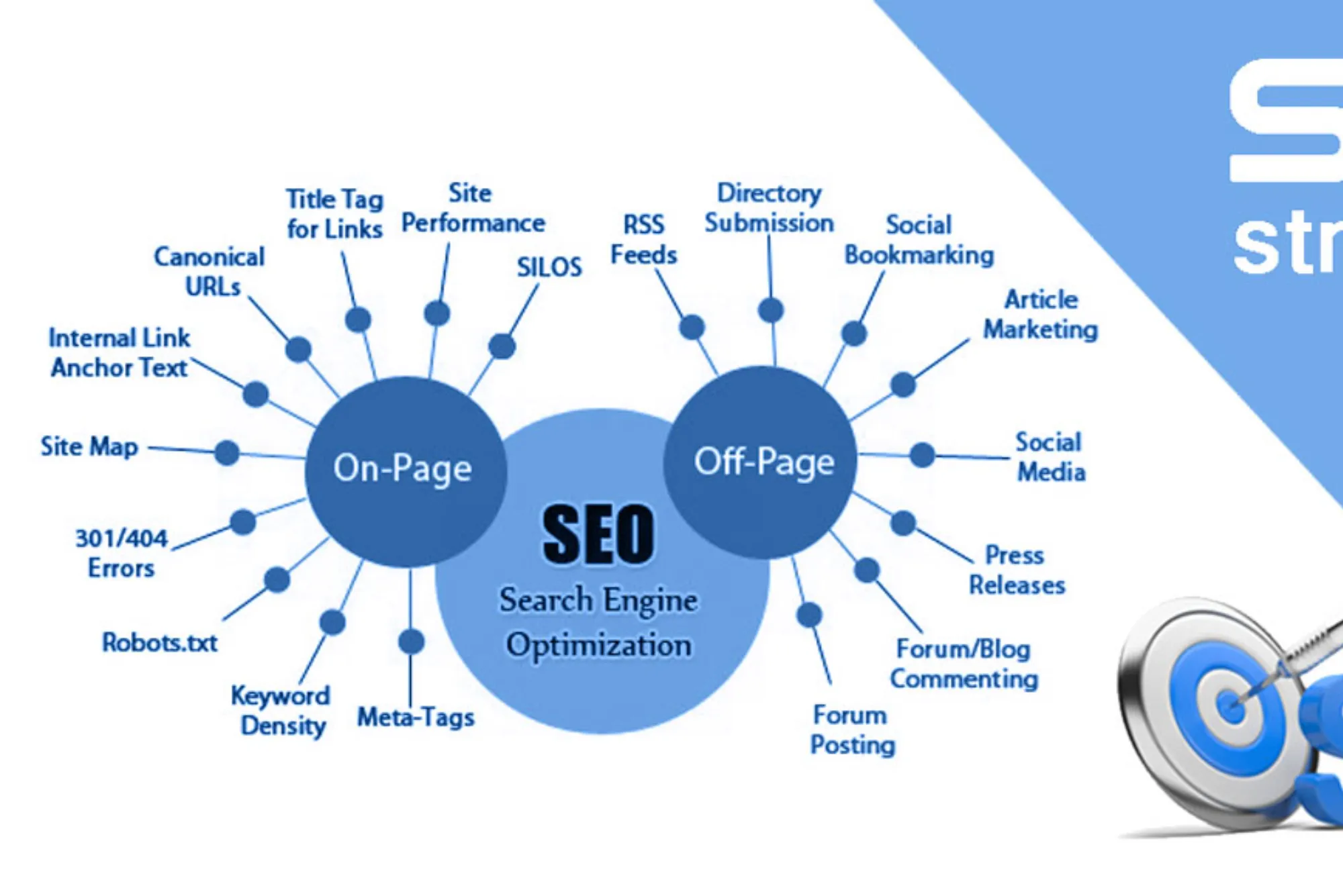
Freelance SEO work lives or dies on the ability to identify problems quickly and explain them clearly. Clients do not pay for lengthy discovery processes — they want to know what is wrong with their website and why it is not generating the traffic it should. The right SEO audit tools for freelancers compress what used to take days of manual analysis into hours of structured, prioritised output that can be delivered as a professional audit report within a tight project timeline.
In 2026, the tools available for this purpose have improved considerably, with more intelligent issue categorisation, better integration between technical and content-layer findings, and pricing structures that reflect the realities of solo practitioners rather than agency teams. This guide covers the audit tools that consistently deliver the most actionable findings for freelancers working across client websites of different sizes and industries.
Why SEO Audit Tools Matter More for Freelancers Than Most Realise
A freelancer operating without a structured SEO audit tool is essentially working blind. Manual checks — reviewing a page at a time, checking meta tags individually, testing redirect chains by hand — produce incomplete results and miss the systemic patterns that only become visible when an entire site is crawled and analysed simultaneously. A website with 300 pages and 47 broken internal links does not reveal that problem through page-level review; it requires a full crawl that surfaces the issue across the whole URL inventory in a single pass.
Beyond the efficiency argument, there is a competitive positioning case. Freelancers who deliver structured audit reports — with clearly categorised issues, severity ratings, fix priorities, and before-and-after benchmarks — are perceived as more professional and command higher rates than those who deliver observations and recommendations in unstructured documents. The audit tool is not just an analytical instrument; it is part of the deliverable quality that differentiates a competent freelancer from a commodity service provider.
The speed of issue identification also matters for client relationships. A freelancer who can explain in the first consultation call why a client’s organic traffic dropped — showing the specific indexing error or canonical tag misconfiguration that coincided with the decline — builds credibility that is impossible to establish through general recommendations alone.
Best SEO Audit Tools for Freelancers in 2026
Screaming Frog SEO Spider
Screaming Frog remains the most trusted desktop crawl tool among professional SEO practitioners and represents exceptional value for freelancers at approximately £249 per year for the full licence. Unlike cloud-based platforms where cost scales with the number of client sites or tracked projects, a single Screaming Frog licence covers unlimited client site crawls with no per-project fee — making it structurally ideal for freelancers who work across multiple client sites throughout the year.

The depth of audit coverage within Screaming Frog is unmatched at its price point. A standard crawl surfaces broken internal and external links, redirect chains and loops, missing and duplicate meta titles and descriptions, missing H1 tags, canonical tag configurations, hreflang errors, structured data issues, page depth analysis, XML sitemap comparison, and Core Web Vitals data pulled from the Google PageSpeed API. Each finding is exportable to filtered spreadsheets that can be shared directly with clients or formatted into audit reports without requiring a separate reporting platform.
The AI-powered meta description generation feature, available in recent versions, is particularly useful for freelancers handling content-heavy sites where hundreds of pages lack unique meta descriptions. Rather than writing them manually or leaving gaps in the audit recommendations, Screaming Frog can generate AI-suggested descriptions for every uncovered URL in a bulk export — significantly reducing the time between audit completion and implementation-ready deliverables.
Semrush Site Audit
Semrush Site Audit is a cloud-based crawling and auditing platform that provides structured, categorised findings across thirteen thematic audit areas including crawlability, HTTPS implementation, page speed, international SEO, structured data, internal linking, and Core Web Vitals. For freelancers, its key advantage over desktop tools like Screaming Frog is the automated scheduling capability — crawls can be configured to run weekly and deliver email alerts when new issues appear, which is valuable for freelancers managing ongoing retainer clients rather than one-off audit projects.
The issue prioritisation within Semrush Site Audit is AI-assisted, meaning the tool orders recommended fixes by estimated impact on organic visibility rather than presenting a flat list of technical errors that requires manual interpretation to prioritise. This is directly useful for freelancers who need to present a clear “fix these first” narrative to clients without spending time on analysis that the tool can handle automatically. Each issue category links to a detailed explanation of what the problem is, why it matters, and how to fix it — reducing the time spent writing explanatory context in audit reports.
Ahrefs Site Audit
Ahrefs Site Audit operates on a change-detection model that compares each crawl against the previous one, flagging new issues as they appear rather than only showing a static snapshot. For freelancers managing retainer clients where catching new problems as they emerge is part of the ongoing service, this approach is significantly more operationally practical than running manual audit cycles. New issues introduced by CMS updates, plugin conflicts, or content changes surface automatically without requiring the freelancer to remember to schedule a fresh crawl.
Ahrefs’ structured data validation is particularly strong — it validates JSON-LD implementations at the field level, identifying specific missing or incorrectly formatted fields within Article, Product, FAQ, HowTo, and other schema types rather than simply flagging that structured data is present or absent. For freelancers whose clients rely on rich results — recipe sites, review platforms, service businesses using FAQ markup — this granular validation is directly actionable in a way that more surface-level structured data checks are not. The JavaScript rendering audit is another distinctive capability, identifying content and links that load through JavaScript and may be invisible to Google’s crawler even when visible to a human browser.
Sitebulb
Sitebulb is a desktop auditing tool that occupies a similar space to Screaming Frog but with a stronger emphasis on visual issue presentation and explanatory context. Where Screaming Frog presents raw data that requires SEO expertise to interpret, Sitebulb generates visual diagrams, prioritised hint lists, and plain-language explanations of every issue it surfaces — making it particularly well suited to freelancers who work with clients that are directly involved in reviewing audit findings rather than simply receiving a report.
The Hints system within Sitebulb categorises issues into four priority levels — Critical, High, Medium, and Low — and each hint includes a clear description of the problem, an explanation of its SEO impact, and specific guidance on how to resolve it. For freelancers who charge for audit deliverables that include implementation guidance, Sitebulb’s output reduces the manual writing required to contextualise technical findings for non-technical clients. The platform’s crawl comparison feature allows freelancers to show clients measurable progress between an initial audit and a post-implementation review — which is a compelling demonstration of the value delivered through the engagement.
Google Search Console
No SEO audit for a freelance client is complete without a thorough review of Google Search Console data, and its value as an audit instrument is consistently underestimated. The Coverage report surfaces every indexing error, warning, and excluded URL across the site, categorised by issue type with specific affected URL lists. The Core Web Vitals report shows field data — real user experience measurements from Chrome browsers — which is the data Google actually uses for ranking assessments rather than the laboratory measurements shown in PageSpeed Insights.
The URL Inspection tool within Search Console allows freelancers to test how Google renders a specific page, revealing whether JavaScript-rendered content is being indexed, whether canonical tags are being respected, and whether any manual actions or security issues affect a specific URL. For audit work specifically, the Crawl Stats report shows how frequently Googlebot is visiting the site and whether crawl budget issues are preventing newer or deeper pages from being indexed — a systemic problem that neither Screaming Frog nor Ahrefs can detect without this direct Google data source.
Comparing SEO Audit Tools for Freelancers
| Tool | Deployment | Approximate Cost | Best Audit Strength | Ideal For |
|---|---|---|---|---|
| Screaming Frog | Desktop | Approx. £249/year | Deep technical crawl; AI meta generation | Freelancers doing one-off or ad hoc audits across many sites |
| Semrush Site Audit | Cloud | From approx. $140/month | Categorised findings; automated scheduling | Retainer clients needing ongoing monitoring and alerts |
| Ahrefs Site Audit | Cloud | From approx. $129/month | Change detection; JS rendering; schema validation | Sites where new issues introduced by CMS changes must be caught early |
| Sitebulb | Desktop | From approx. £13/month | Visual presentation; plain-language guidance | Freelancers presenting findings directly to non-technical clients |
| Google Search Console | Cloud (free) | Free | Real Google indexing data; Core Web Vitals field data | Foundational audit layer for all freelance SEO work |
The Most Common Traffic-Blocking Issues These Tools Surface
Understanding which categories of issues most frequently block traffic growth helps freelancers prioritise where to focus audit attention and which tools are most valuable for detecting each issue type. The following problems appear consistently across client site audits and each has a direct, measurable impact on organic visibility.
Indexing errors and noindex tags: Pages excluded from Google’s index cannot rank regardless of content quality. Search Console’s Coverage report is the only reliable way to identify the full scope of indexing exclusions across a site.
Canonical tag misconfiguration: Incorrect canonicals tell Google to index the wrong version of a page or create circular references that confuse the crawler. Screaming Frog and Ahrefs both surface canonical issues at scale across the full URL inventory.
Broken internal links: Waste crawl budget and prevent link equity from flowing to important pages. Any desktop crawl tool catches these comprehensively in a single pass.
Slow Core Web Vitals: LCP and INP failures directly affect ranking potential for affected pages. Search Console field data and Semrush’s Core Web Vitals module both surface these at a page-template level rather than just individual URLs.
Structured data errors: Prevent rich result eligibility and reduce click-through rates for posts that would otherwise qualify for enhanced SERP appearances. Ahrefs and Sitebulb provide the most granular field-level schema validation.
Thin or duplicate content at scale: Category pages, tag archives, and paginated URLs frequently create content duplication patterns that are only visible through site-wide crawl analysis rather than page-level review.
JavaScript rendering gaps: Content and links loaded via JavaScript may be invisible to Google’s crawler. Ahrefs’ JavaScript audit is the most reliable tool for detecting this issue without access to server-side rendering logs.
Building an Efficient Freelance Audit Workflow
Having the right tools is necessary but not sufficient. A structured audit workflow that applies each tool to the tasks it handles best is what determines how efficiently a freelancer can move from initial crawl to client-ready deliverable.
A practical sequence for a comprehensive freelance SEO audit runs as follows. The first step is a Google Search Console review covering Coverage errors, Core Web Vitals field data, and recent crawl statistics — this establishes the Google-sourced baseline before any third-party tool analysis. The second step is a full Screaming Frog crawl covering the complete URL inventory, with filters applied for broken links, redirect chains, canonical issues, missing tags, and structured data errors. The third step is a Sitebulb crawl of the same site, primarily to generate the visual issue prioritisation report that will form the structural basis of the client deliverable. The fourth step is a review of Ahrefs or Semrush audit data specifically for change-detection findings and JavaScript rendering issues that desktop tools may miss.
This four-step sequence, applied consistently across every audit engagement, produces a comprehensive and reliable findings set that covers technical, content, and indexing layers without relying on any single tool’s output in isolation. For freelancers who are also building their own websites or online presence alongside client work, understanding how manufacturing and technical industries approach quality assurance — such as in the context of how manufacturing companies maintain operational quality standards — provides a useful parallel for thinking about the rigour that makes a structured audit process valuable. For the most authoritative guidance on how Google evaluates technical site quality, consulting provides the definitive reference that complements the findings from every audit tool in this list.
Frequently Asked Questions
Which SEO audit tool is best for a freelancer just starting out?
For freelancers starting out, Google Search Console combined with Screaming Frog’s free tier — which crawls up to 500 URLs without a licence — provides enough capability to conduct basic technical audits without any upfront cost. Once audit work becomes a regular part of the freelance offering, investing in Screaming Frog’s annual licence at approximately £249 and upgrading to Sitebulb’s entry-level plan provides professional-grade coverage for a combined annual cost that is recoverable in two or three audit engagements.
Do freelancers need both a desktop crawl tool and a cloud-based audit platform?
For project-based audit work, a desktop tool like Screaming Frog or Sitebulb is often sufficient because it provides the depth of crawl data needed for a comprehensive deliverable without ongoing subscription cost. Cloud platforms like Semrush or Ahrefs Site Audit add value primarily for retainer clients where automated weekly crawls and change detection justify the ongoing subscription. Freelancers with a mix of project and retainer clients typically benefit from maintaining at least one of each type.
How long should a freelance SEO audit take from crawl to deliverable?
For a site of 100 to 500 pages, a comprehensive technical audit from initial crawl to formatted client deliverable typically takes four to eight hours for an experienced freelancer using structured tools. The largest variable is report writing — tools like Sitebulb reduce this significantly by generating prioritised, plain-language findings that can be incorporated into the deliverable with minimal additional commentary. For larger sites of 1,000 or more pages, budget eight to sixteen hours depending on the complexity of technical issues discovered.
The best SEO audit tools for freelancers in 2026 are the ones that turn site crawl data into actionable, client-ready findings as efficiently as possible. Screaming Frog provides the deepest technical crawl coverage at the most cost-efficient price point for solo practitioners. Sitebulb adds visual presentation and plain-language issue guidance that reduces report writing time significantly. Ahrefs Site Audit brings change detection and JavaScript rendering validation that desktop tools cannot replicate.
Semrush Site Audit offers AI-powered prioritisation and automated scheduling for retainer work. And Google Search Console provides the indispensable Google-sourced foundation that all paid tools build around. Used in combination within a structured workflow, these SEO audit tools give freelancers the diagnostic capability to uncover the issues blocking their clients’ traffic growth — and the professional output quality to demonstrate that value clearly.
Related Reading: Best SEO Reporting Tools For Freelancers Measuring Organic Traffic Gains and SEO Wins in 2026